** The Role of Temperature in Paintless Dent Fixing: Tips for Optimal Problems **.
Introduction
In the realm of vehicle body repair service, Paintless Damage Repair (PDR) attracts attention as an exceptional strategy that provides efficiency and efficiency without compromising the honesty of the vehicle's paint. A range of factors affect the success of PDR, but one of one of the most essential elements is temperature. Recognizing how temperature impacts the products and processes involved in this type of repair service can make a substantial distinction in end results. In this thorough overview, we will certainly look into The Duty of Temperature level in Paintless Damage Fixing: Tips for Optimum Conditions, guaranteeing you have all the expertise required to accomplish optimum results.
Understanding Paintless Dent Repair
What is Paintless Dent Repair?
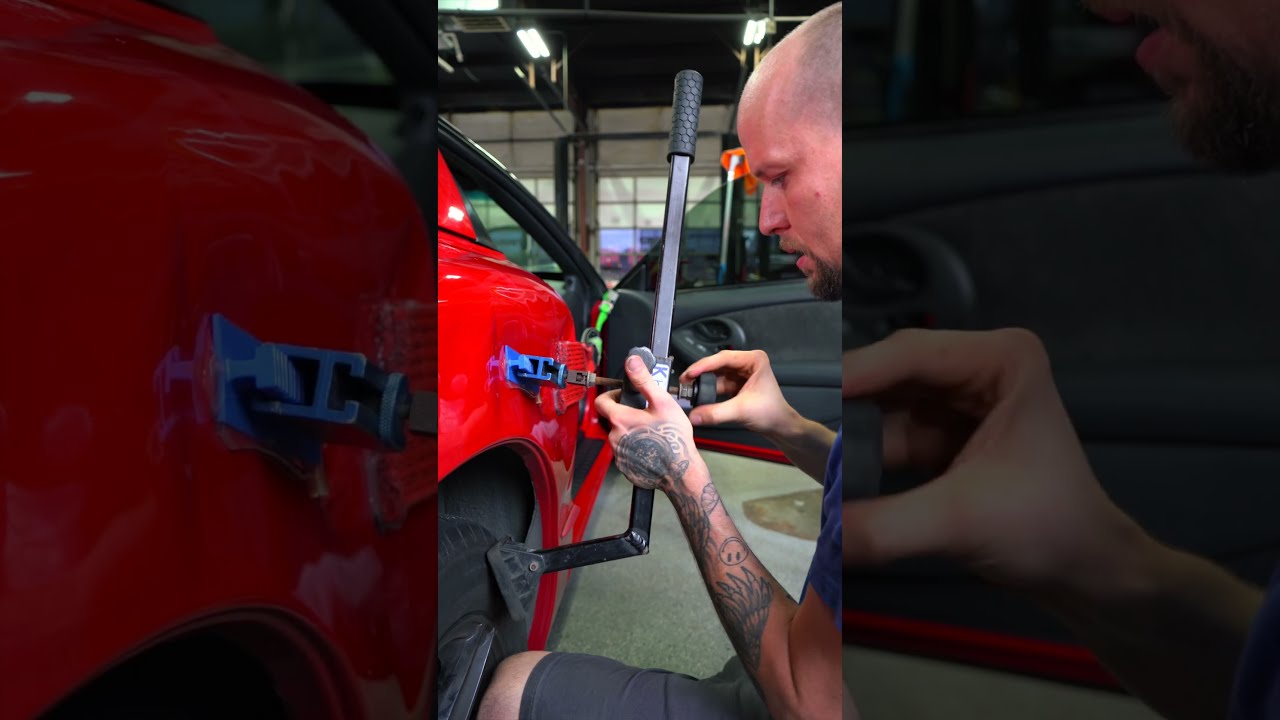
Paintless Damage Repair service is an innovative method made to get rid of dents and dings from an automobile's surface area without needing to paint or utilize fillers. This procedure includes specialized devices that manipulate the metal from behind the dented location, restoring its original shape.
How Does Paintless Dent Repair Work?
The fundamental concept behind PDR lies in steel memory. When an automobile's body experiences a damage, the metal warps but retains a memory of its original kind. Specialists use various tools to apply stress and massage the metal back right into location, leveraging this memory to restore it effectively.
Benefits of Paintless Damage Repair
- Cost-Effective: Commonly cheaper than typical repairs.
- Time-Efficient: Most repair work can be completed within hours.
- Eco-Friendly: No paints or fillers are made use of, minimizing waste.
- Retains Vehicle Worth: Initial paintwork continues to be intact, preserving resale value.
The Scientific research Behind Temperature level and Metal
How Temperature Influences Metal Properties
Temperature plays an essential function in altering the physical homes of metals. As temperatures rise or drop, metals can broaden or contract, affecting their malleability and ductility-- 2 crucial characteristics for effective PDR.
The Connection In between Warm and Steel Memory
Heat application throughout PDR can help service technicians adjust metal a lot more conveniently by making it softer and much more pliable. This property is important when attempting to restore bent areas without causing damage.
The Duty of Temperature level in Paintless Dent Fixing: Tips for Ideal Conditions
When executing PDR, examining ecological problems is vital. Learn more here Right here are some important suggestions to make certain that temperature level conditions are optimal:
Ideal Temperature level Array for PDR
- Optimal Range: 60 ° F - 90 ° F(15 ° C-32 ° C)
- Effects Outdoors This Array: Listed below 60 ° F, steel may come to be as well stiff; over 90 ° F, it may cause excessive development resulting in complications.
Tools for Measuring Temperature
Using thermometers or infrared warm guns aids service technicians keep an eye on ambient temperatures precisely while servicing repairs.
Use of Warm Resources During Repairs
Types of Warmth Applications:
- Heat Guns: Perfect for localized heating.
- Infrared Lamps: Supply also warmth distribution over larger areas.
- Hot Water: Reliable for certain types of plastics along with PDR.
Environmental Considerations
Indoor vs Outdoor Conditions
While both interior and outdoor settings can be appropriate for PDR, each has its special obstacles relating to temperature level control:
- Indoor Settings: Less complicated to take care of environment with cooling and heating systems.
- Outdoor Settings: Based on weather changes which can impact repair work results significantly.
Humidity Degrees Affecting Repairs
High humidity can result in condensation on surface areas which can hinder appropriate attachment post-repair if any additional securing is needed later.
Temperature Variations Across Different Materials
Understanding Lorry Material Composition
Different parts of an automobile are made from numerous products such as light weight aluminum, steel, and composites-- each reacting differently under varying temperature levels:
- Aluminum: Extremely flexible when heated up however prone to stiffness when cold.
- Steel: Typically durable; however, severe cold can lead it to come to be brittle.
- Composites: Need careful handling due to their distinct residential or commercial properties at various temperatures.
Preparing Your Workspace
Creating an Optimal Environment for PDR
Ensure your workspace is furnished with environment control systems that allow you to preserve excellent temperature levels throughout your repair work process.
Essential Tools List for Temperature Level Control
- Thermometer
- Infrared heat lamp
- Heat gun
- Insulation coverings (for warmth retention)
FAQs about Temperature level in Paintless Dent Repair
What takes place if I perform PDR listed below suggested temperatures?
Performing PDR below 60 ° fleet repair San Mateo County F can make steel too stiff and challenging to adjust effectively.
Can I make use of a hairdryer instead of a warm gun?
While viable for tiny areas, hairdryers do not supply constant warmth circulation as warmth guns do.
Is it essential to cool down the location after making use of heat?
Yes! Air conditioning helps solidify changes made during fixings effectively while making certain security in metal structure changes.
What if I can not regulate temperature level outdoors?
If regulating temperature isn't feasible outdoors, it's recommended to hold off repair services up until problems boost or find an indoor location.
Does weather influence long-term resilience after a repair?
Yes! Too much warmth or dampness direct exposure post-repair could endanger bond if additional treatments were called for afterward.
Can I perform PDR in winter months conditions?
While it's challenging as a result of lower temperature levels affecting product flexibility-- indoor atmospheres furnished with home heating solutions are more suitable throughout cold months!
Conclusion
In conclusion, recognizing the essential function temperature level plays in Paintless Dent Repair service can not be overstated; it's fundamental not just for guaranteeing effective outcomes but likewise protecting your lorry's honesty throughout the procedure. By adhering carefully to optimal temperature standards and being aware of ecological factors, you set yourself up for success whenever you start restoring your vehicle's beauty via this amazing repair service technique. Remember these suggestions as you engage with your following damage fixing job-- they might mean all the difference!